Watercolor vs Alcohol Inks:
Which medium matches your creative style?
Recently, Lacey (@rebelunicorncrafts) and I challenged each other to create a project from each other’s book. Hers focuses on watercolor projects, while mine is all about alcohol ink flowers. I decided to take this challenge one step further by creating the same project using both watercolor and alcohol inks.
Although the final results look surprisingly similar, apart from color vibrancy, the creative process behind them is very different. In this blog, I will walk you through the key similarities and differences and help you decide which medium best matches your creative style.
So if you have been working with watercolor for a while and are curious about alcohol inks, or the other way around, keep reading!
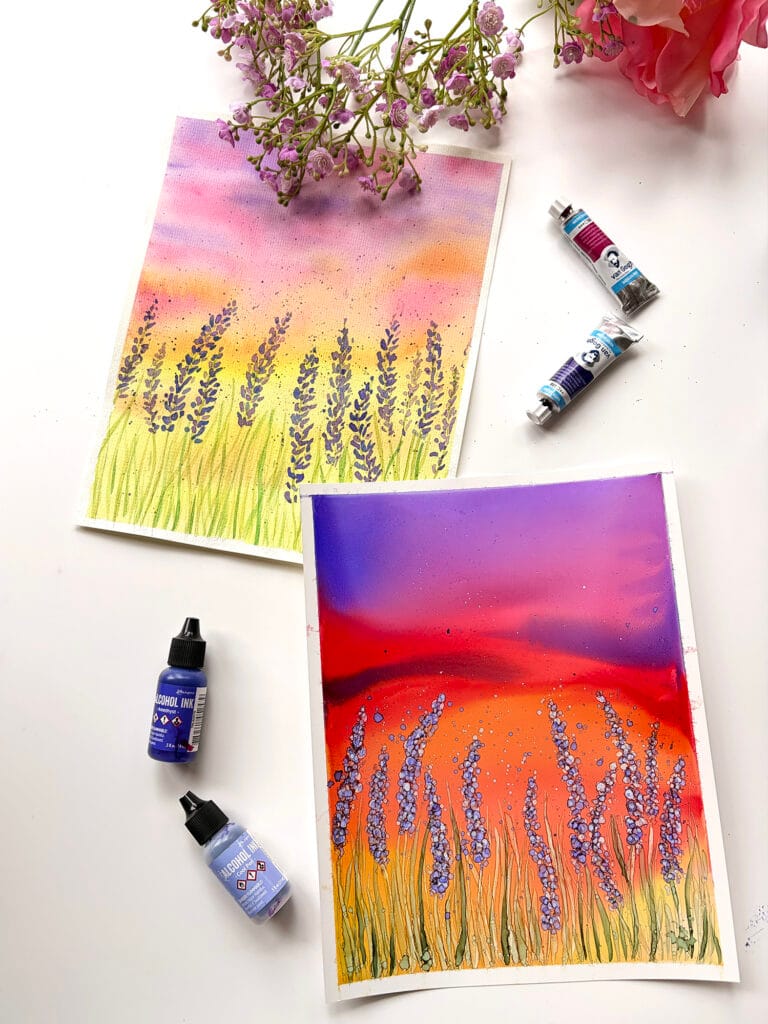
Image: Top left Watercolor, bottom right Alcohol Ink
Similarities
Fluidity and Transparency in Watercolor and Alcohol Inks
One of the main similarities between watercolor and alcohol inks is their fluid nature. Both are transparent media that rely on liquid to create movement, soft transitions, and organic gradients.
Watercolor uses water to activate and dilute the pigment. Alcohol inks use isopropyl alcohol (91% or 99%). In both watercolor painting and alcohol ink art, the fluidity of the medium plays a major role in the final result.
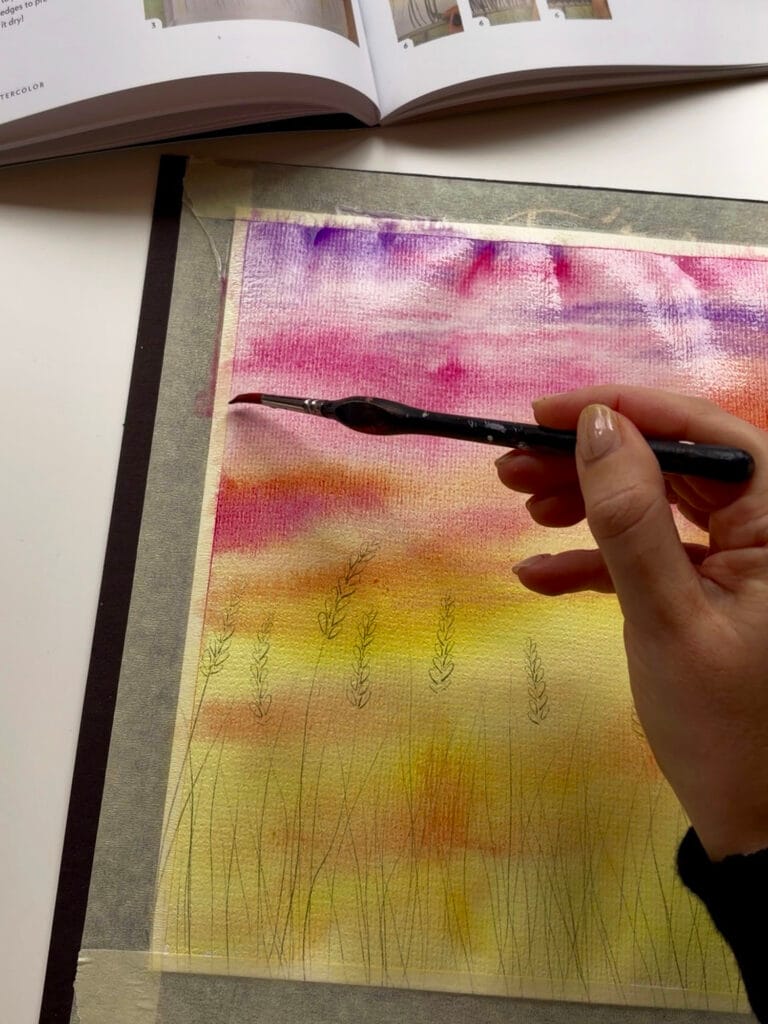
In the projects shown here, a wet-on-wet watercolor technique was used by first wetting the surface and then adding pigment to create smooth gradients. A similar approach is used with alcohol inks, where the surface is activated with alcohol before adding ink to encourage flow and blending.
So if the technique looks similar, where do the real differences begin?
Differences between Watercolor and Alcohol Ink
Manipulation and Control
This is where watercolor and alcohol inks clearly diverge.
Watercolor painting is mainly manipulated using a brush, which allows you to control both water and color placement. Because watercolor is absorbed by the paper and tends to hold its shape, you can work intentionally and with precision. When you control the amount of water, you can build up layers, adjust values, and create depth by layering. This makes watercolor painting well suited for planned compositions, and detailed or realistic artwork. Of course you can also use a more loose watercolor style.
Alcohol ink art requires a non-absorbent synthetic paper. The inks sit on top of the surface and floats on top. While a brush can be used for details, the manipulation happens with a heat tool or ink blower. As a result, the inks keep moving and spreading, which makes it difficult to fully control the direction and shapes it will take. Alcohol inks are also reactivated every time you add more ink or alcohol. This allows you to rework areas or wipe parts clean, but it also makes layering more challenging, especially when working with lighter or contrasting colors. Instead of directing the process, alcohol inks invite you to respond to what happens on the surface.
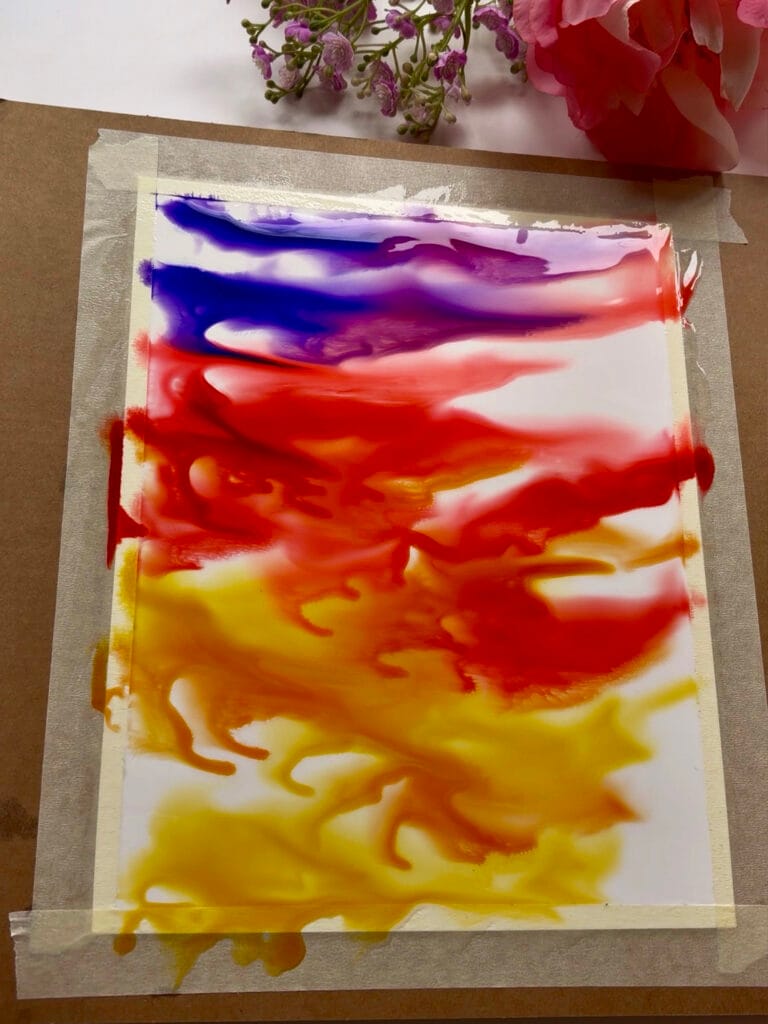
Alcohol Inks will spread and move fast, so you need to go with the flow and react to how the inks behave!
The Creative Process: Intentional vs Intuitive
Watercolor painting often supports a calmer, more intentional creative process. You can plan your composition, work in layers, and slowly build an image. While watercolor can be very loose and expressive, it also allows for fine details and realistic elements that are harder to achieve with alcohol inks.
Alcohol inks follow a faster, intuitive, and reactive process. You constantly respond to how the inks behave in the moment. They are unpredictable and never do exactly what you expect. This makes alcohol inks a playful and experimental medium that naturally encourages letting go of perfectionism and control and keep an open mind. Of course, with practice, you’ll gain more control and can more intentionally manipulate the inks!
The Result: Similar Artwork, Different Character
For this project, the final results are intentionally quite similar. I chose a subject that works well in both watercolor and alcohol ink. That said, there are clear visual differences. Alcohol inks tend to dry more vibrant and maintain their intensity. Watercolors dry in softer tones, which gives the artwork a more subtle and gentle appearance.
So which look speaks to you more?
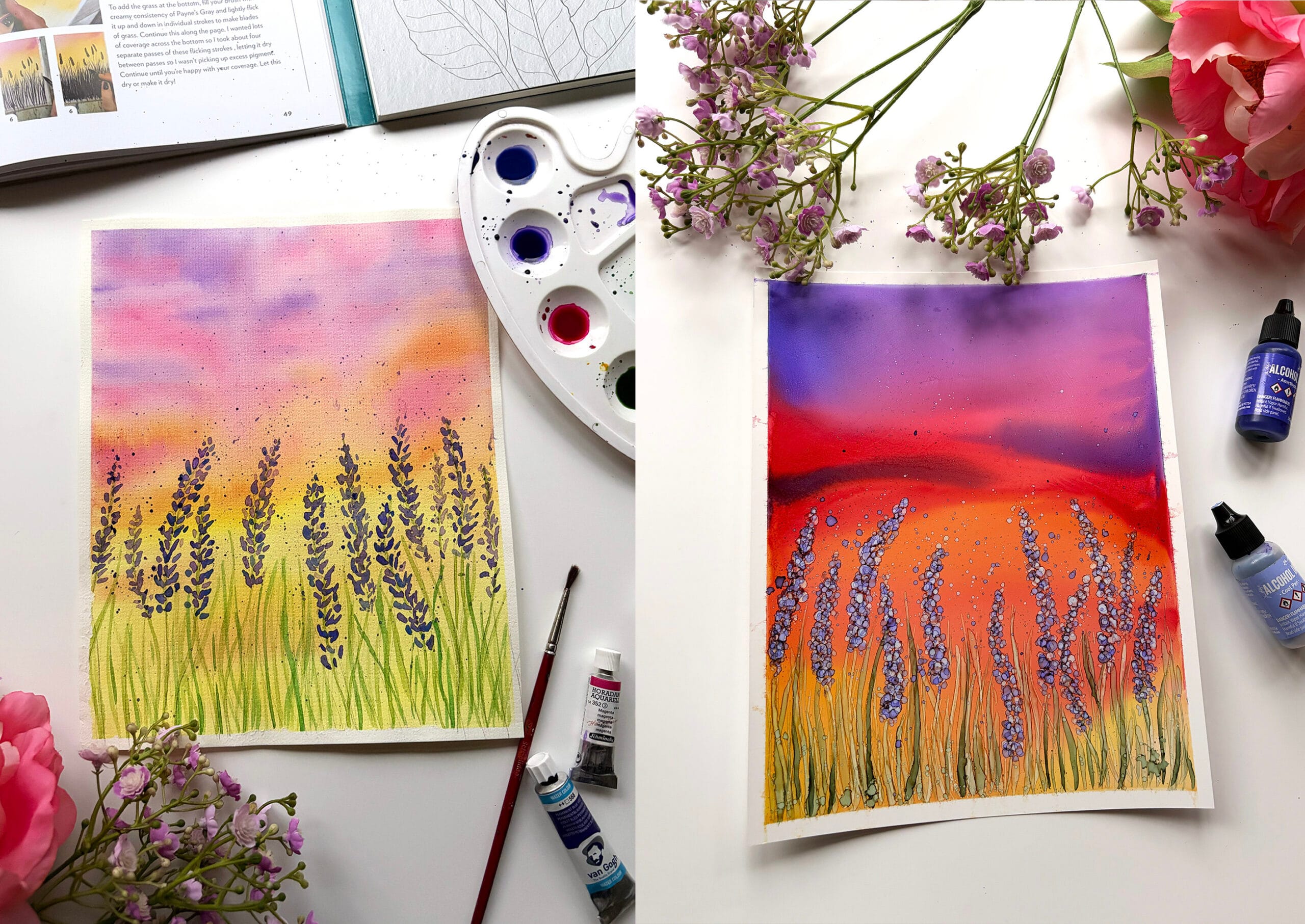
Left: Watercolor, Right: Alcohol Inks
Key Differences Between Watercolor and Alcohol Inks
Control: more intentional versus more intuitive
Manipulation: brush-driven versus heat tool or blower-driven
Vibrancy: soft and subtle versus bold and vibrant
Surface: partly absorbent watercolor paper versus non-absorbent synthetic paper
Reactivation: limited versus constant
When to Choose Alcohol Inks
Alcohol inks are the right medium for you if you enjoy a creative challenge, love vibrant colors and metallic effects, prefer a fast and intuitive process, or want to practice letting go of control and perfectionism. If you already enjoy the very loose style of watercolor and feel curious to push that looseness even further, alcohol inks can be a refreshing next step.
When to Choose Watercolor
Watercolor may suit you better if you prefer a calm and intentional process, enjoy layering and building depth, want to create more realistic or detailed artwork, and appreciate having greater control over the outcome. If you have been working with alcohol inks and would like to bring more layering and realistic detail into your work, trying watercolor can be a valuable addition to your creative practice.
Which one is more Beginner-friendly?
Watercolor is often considered more beginner-friendly because the tools and techniques feel familiar. Alcohol inks can have a steeper learning curve at first, especially when learning how inks move and how to work with a heat tool. That said, both watercolor and alcohol inks offer accessible beginner techniques, and like any art medium, improvement comes through consistent practice.
How to Choose the Right Medium for You
The best way to decide between watercolor and alcohol inks is to try both and notice which creative process feels most natural to you. You do not have to choose only one medium. Switching between watercolor painting and alcohol ink art can be incredibly inspiring, especially if you feel creatively stuck. Sometimes, changing the medium is all it takes to unlock new ideas.
LEARN MORE
For lots of watercolor inspiration, check out Lacey’s Instagram @rebelunicorncrafts
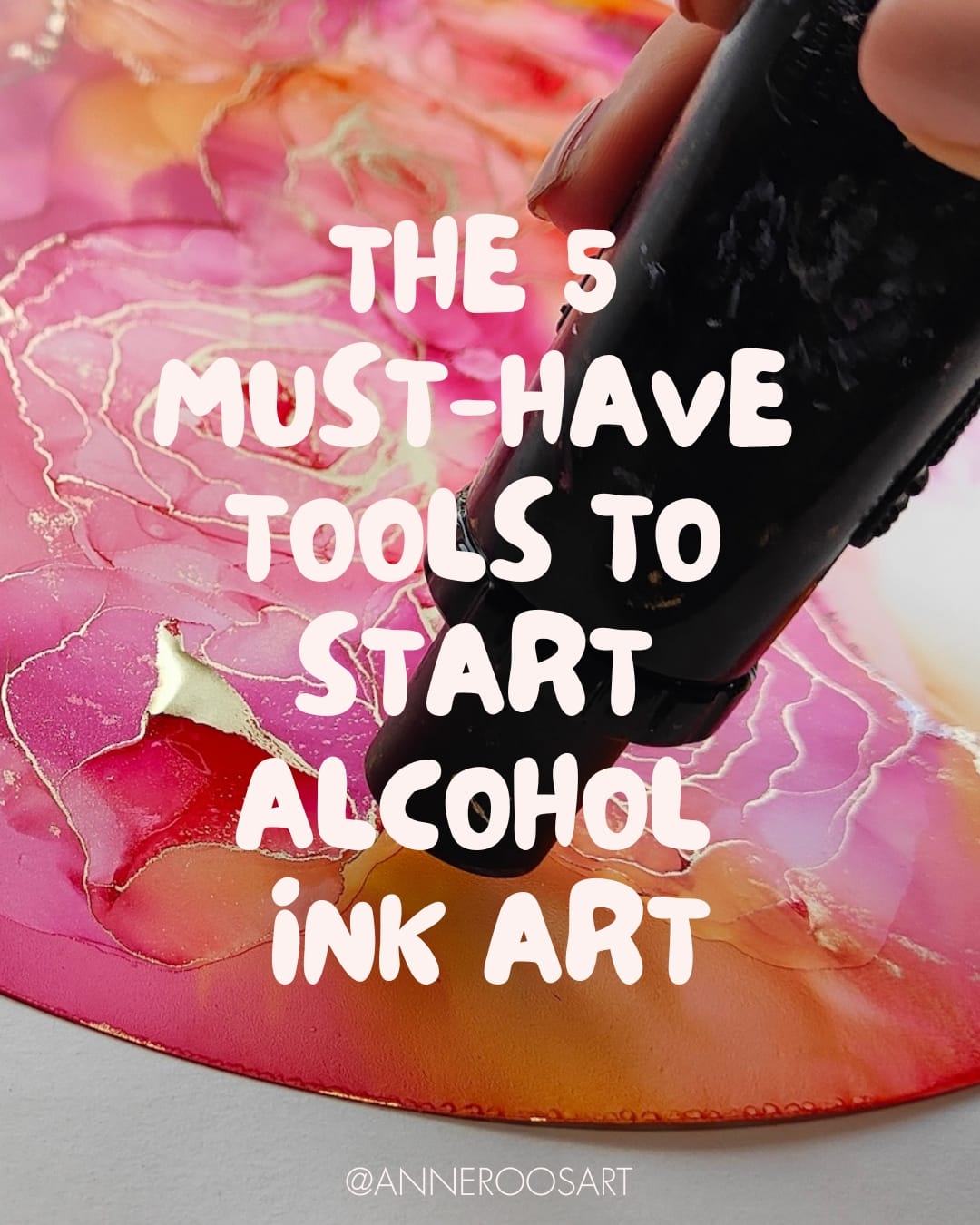
If you are curious about alcohol inks, take a look at the 5 must-have tools to start with alcohol inks or explore my book or online courses to dive deeper into alcohol ink techniques.